Details
Date: 8 February – 13 February
Departs from: Auckland
Ends: Auckland
Leaders: Hamish Campbell & Kat Holt (geologists)
Cost ($NZD inc 15% GST): $6000 per person
Summary
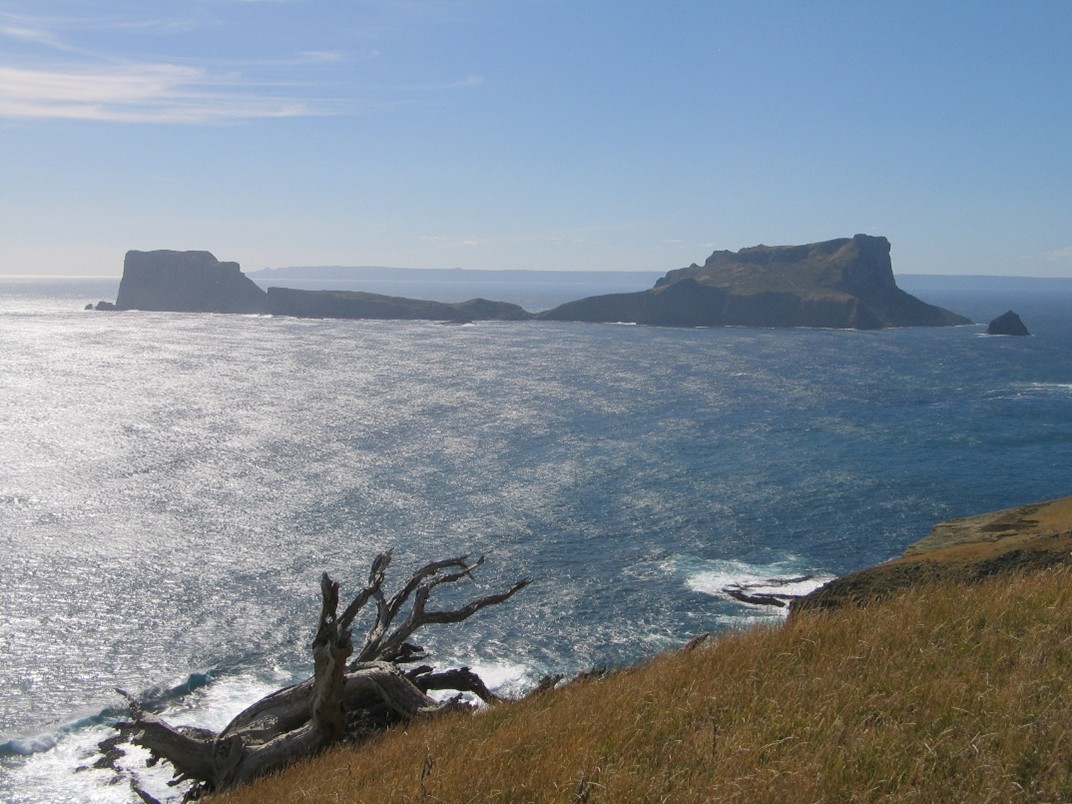
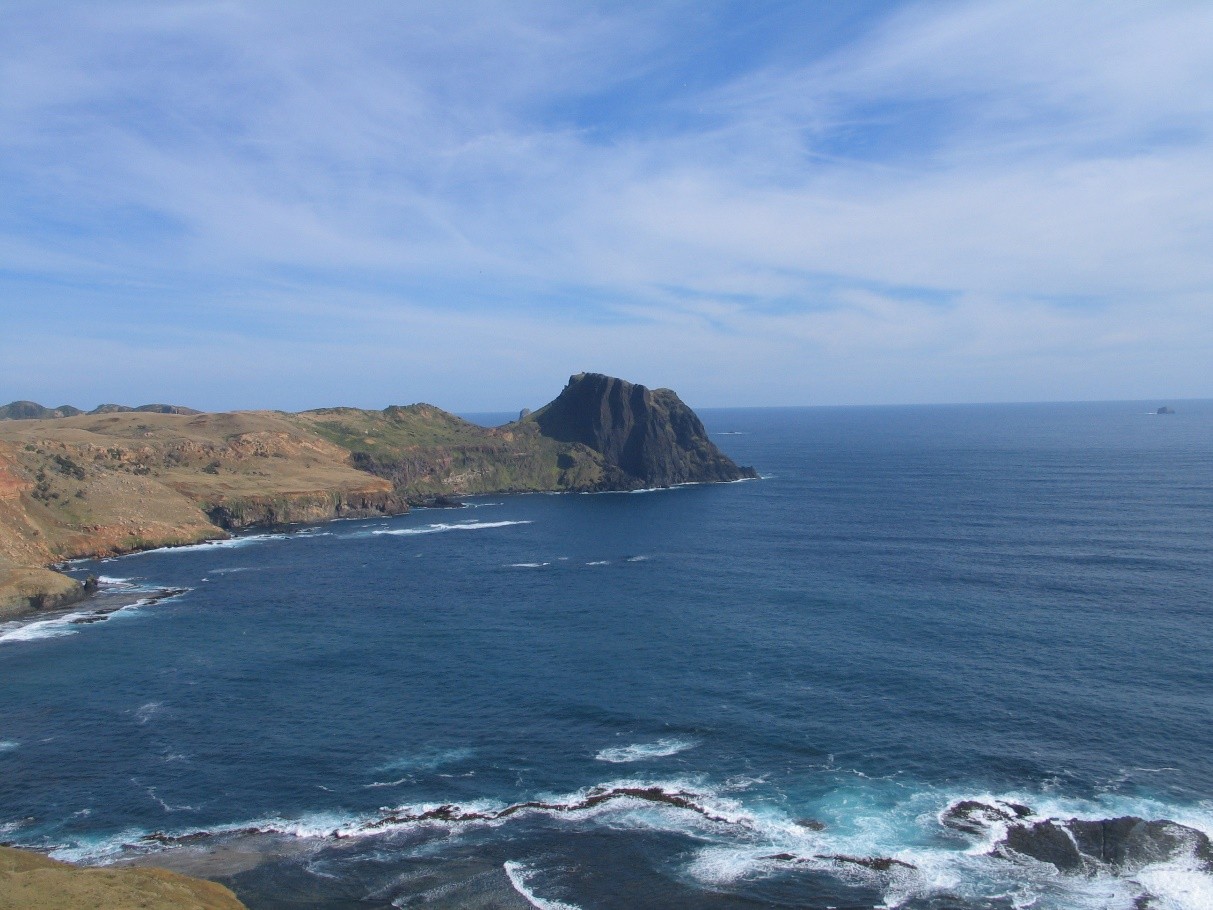
A major focus of this excursion will of course be to observe and consider the diverse geomorphology of the Chatham Islands in their context as part of eastern Zealandia.
They are the product of prolonged but sporadic intraplate basalt volcanism, vertical tectonism, global sea-level change and erosion.
The shape of the Chatham Islands is largely dictated by their geology and the erosive power of the prevailing SW wind.
The Chatham Islands offer an on-land insight or ‘window’ into the submarine geology of the Chatham Rise.
Of particular note is their location on continental crust of Zealandia, on the Pacific Plate, but well-removed from the active plate boundary with the adjacent Australian Plate some 800 km to the west.
Significantly, the geology of the Chatham Islands suggests that the islands have been tectonically uplifted within the past 4 million years.
Prior to that, they were submarine for most of the previous 65 million years.
Despite vertical tectonism, they have been remarkably stable for at least the past 85 million years.
Itinerary
Day 1: Sunday 8 February: Auckland to Chatham
- Check-in at Auckland Regional Terminal and Auckland Domestic Airport by 3:30pm.
- Meet fellow passengers.
- Depart from Auckland Airport on Air Chathams at 5:00pm (NZ time)
- Arrive on Chatham Island at 8:00pm (Chatham Islands time; 45 minutes ahead of NZ time) and welcomed by Hotel Chatham staff; travel by bus to Waitangi.
- Settle into Hotel, followed by dinner.
NB Days 2-5 are interchangeable, depending on weather and sea conditions.
We will endeavour to get to Pitt Island at the earliest opportunity.
Day 2: Monday 9 February: Pitt Island
Geological objectives
- Traverse Chatham Island from W to E, observing the ‘southern massif’ of Chatham which is the eroded NE remnant of a large intraplate terrestrial basalt shield volcano (Chatham Volcano) of Cretaceous age that erupted 85-80 million years ago.
- Traverse Pitt Strait, the eroded and drowned breached crater of Chatham Volcano.
- Traverse Pitt Island from NW to SE, observing the profound negative relief engendered by Tupuangi Formation of Cretaceous age (95-90 million years old), the oldest sedimentary formation in the Chathams, now restricted in exposure to northern Pitt Island, in particular Waihere Bay, and also the E side of Mangere Island
- Observe the positive mound-like geomorphological relief produced by distinctive glass and clay-rich lithologies (palagonite, sideromelane) associated with numerous eruptive centres of small submarine basalt volcanoes of Cenozoic (Palaeocene to Pliocene) age. Plenty of examples on both Chatham and Pitt Islands.
- Observe planar surfaces of local to regional extent that are interpreted to be the product of marine planation. There have been two opportunities for marine planation: 1) as a result of Late Cretaceous crustal extension and the submergence of Zealandia, and 2) as a result of Pliocene crustal shortening and tectonic uplift of the Chathams.
Logistics
- Depending on numbers (of participants) we will either: 1) fly to Pitt on a chartered commercial Air Chathams Cessna service that can carry 5 passengers per flight (20 minutes in duration), or 2) travel to Flowerpot Bay Harbour on Pitt Island, from Owenga Harbour (SE Chatham Island) on a chartered commercial boat that is licensed to carry 20 passengers. Travel time by boat: 1 hour and 15 minutes
- Either way, our arrival time on Pitt Island will be about 9:30am or thereabouts.
- Our hosts and guides on Pitt Island will be Brent & Bernie Mallinson (Flowerpot Bay Lodge).
- We will spend about 6 hours on Pitt Island during which time we will visit Flowerpot Bay, Hakepa Hill and Waihere Bay.
- Waihere Bay is tide dependent and we will juggle the day accordingly.
Getting to Pitt Island is quite an adventure and a highlight of any excursion to the Chatham Islands!
Day 3: Tuesday 10 February: NW Chatham
Geological objectives
- Observe the stunning landscape of NW Chatham Island with its prominent volcanic ‘peaks’. This is an exhumed submarine-scape.
- Visit Maunganui and examine the eroded remnants of a 5 million years old submarine volcano of Miocene/Pliocene age.
- Visit Waitangi West Beach, scene of a significant tsunami generated by the Arica Earthquake in 1868.
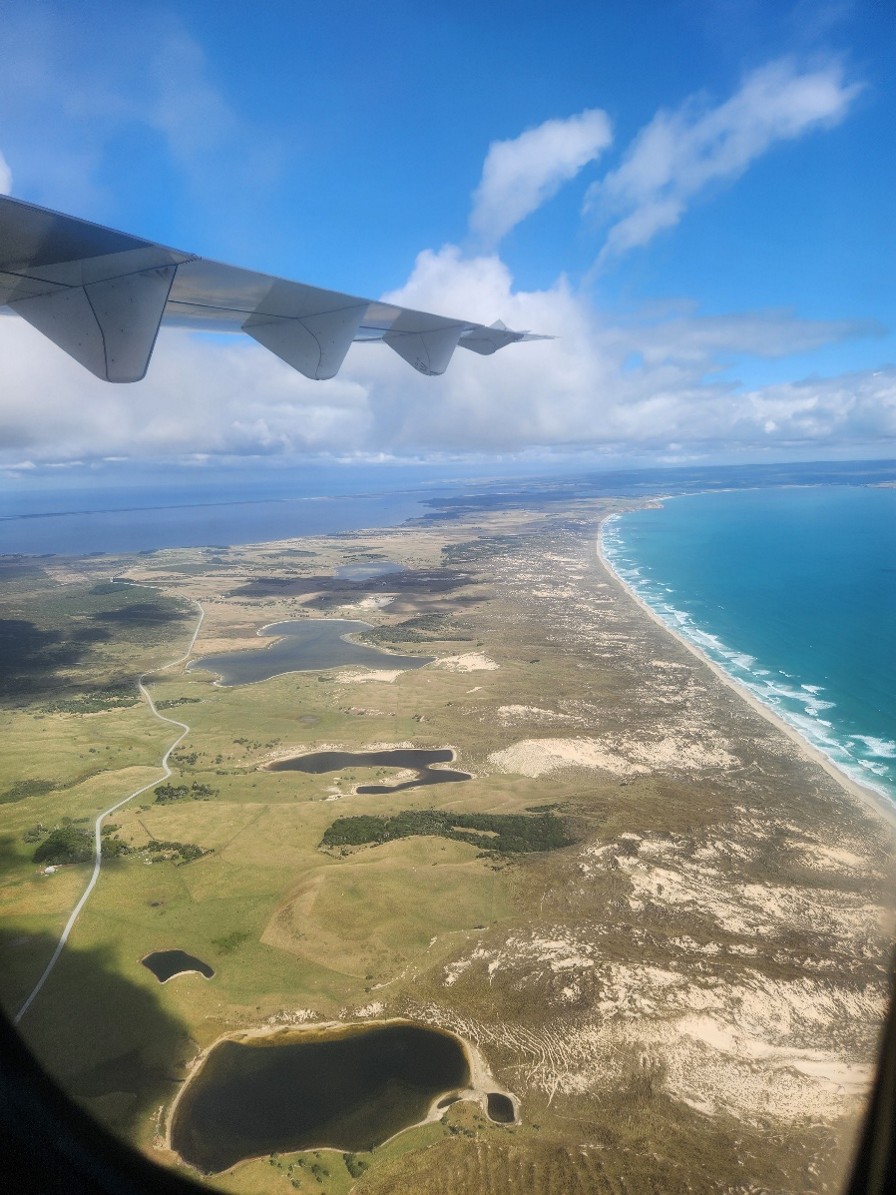
- Observe peat burn-out depressions within Moorland Peat (less than 50,000 years old). Numerous small and not so small lakes in the Chathams occupy such depressions.
- Visit Port Hutt and examine Chatham Schist, the basement metamorphic rock of the Chatham Islands and Chatham Rise.
- Visit the Basalt Columns in Ohira Bay, relating to Southern Volcanics formation (Chatham Volcano) that erupted in Cretaceous time, 80 million years ago.
Logistics
- Travel by bus.
- Lunch in Port Hutt.
Day 4: Wednesday 11 February: Central Chatham
Geological objectives
- Observe karst limestone topography developed on Te One Limestone Member (Te Whanga Limestone)
- Examine the ‘Marshall Paraconformity’ developed within Te Whanga Limestone of Eocene age (55-35 million years old); best seen at Moreroa, W coast of Te Whanga Lagoon.
- Visit ‘Contemplation Bay’ (informal local name) at the southern end of Red Bluff, on the coast of Petre Bay, W side of Chatham, and examine coast with limestone boulder beach (Te Whanga Limestone).
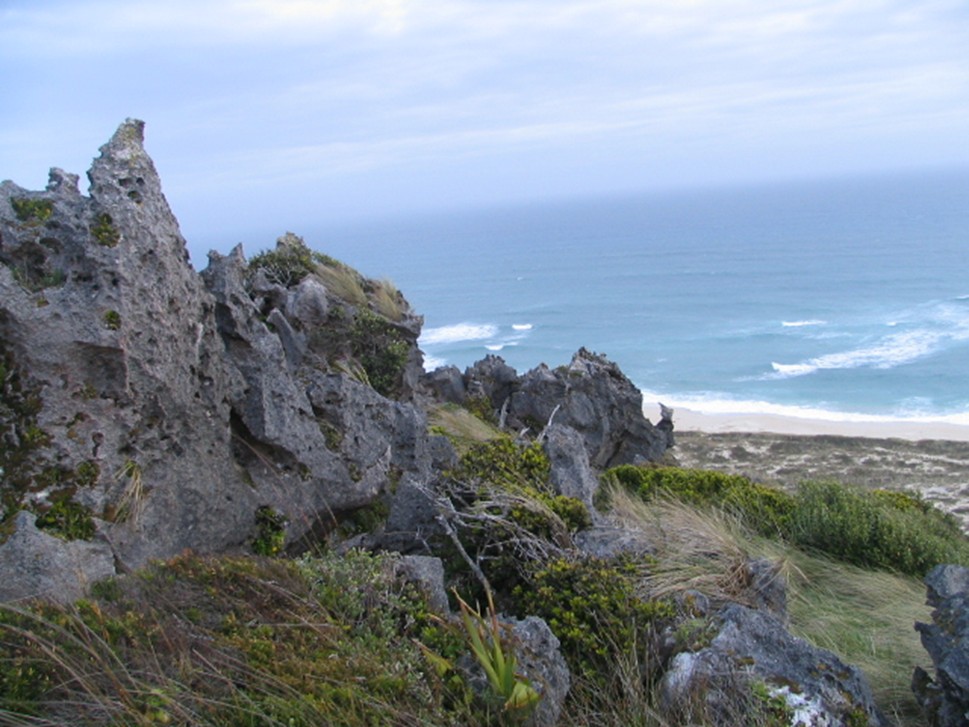
- Visit Lilly Rocks within Henga Reserve, Petre Bay, with spectacular sand dunes, ventifacts and modified karst limestone topography.
Logistics
- Travel by bus.
Day 5: Thursday 12 February: NE Chatham
Geological objectives
- Visit Hapupu at the N end of the spectacular Hanson Bay tombolo, with its double dune system.
- Visit Okawa Point and observe large blocks of schist that have been interpreted to have been emplaced as a consequence of tsunami.
Logistics
- Travel by bus.
Day 6: Friday 13 February
- Depart Hotel Chatham at 8:00am
- Check-in at 8:30am
- Depart Chatham Island with Air Chathams at 10:00am (Chathams time) bound for Auckland.
- Arrive in Auckland Domestic Airport at 11:45am (NZ time). Farewells!
END OF EXCURSION
Tourism opportunities
In the time available, on our travels we will visit as many places as possible with a historic and/or cultural significance, including the following: Chatham Island Museum, Kopinga Moriori Marae, shops in Waitangi (General Store, Craft Shop, River Onion Gallery), Admiral Garden, Basalt Columns, petroglyphs (Moreroa), dendroglyphs (Hapupu), Sunderland Flying Boat.
Geological and Hence Geomorphological Highlights
In a New Zealand context, the Chatham Islands are unusual because they are so remote from the active plate boundary. Accordingly, the geology relates to a ‘passive margin’ and Cretaceous-Cenozoic cover rocks (sedimentary and volcanic) are remarkably undeformed.
It is clear that the Chatham Islands have behaved as a single tectonic entity with significant vertical uplift during Pliocene time.
The landscape is therefore ‘youthful’ and the geomorphology is clearly the product of differential erosion, primarily driven by prevailing SW wind and sea conditions. The landscape is dramatic in places, punctuated by small intra-plate submarine volcanos (basaltic). This excursion is a rare opportunity to see some remarkable geomorphology in a remote part of eastern Zealandia, some 800-850 kilometres east of mainland New Zealand, in the SW Pacific Ocean.
Other Field Trips
The Making and Erosion of Te Ika-a-Māui – Fluvial, Coastal, Tectonic, and (a little) Volcanic Geomorphology of Aotearoa New Zealand’s North Island
Full
Date: 26 January – 30 January
Departs from: Auckland
Ends: Wellington
Cost ($NZD inc 15% GST):
Shared Accommodation $2,000 per person
Private Accommodation $2,500 per person
Geology and Geomorphology of Chatham Islands
Date: 8 February – 13 February
Departs from: Auckland
Ends: Auckland
Cost ($NZD inc 15% GST): $6000 per person
- « Previous
- 1
- 2